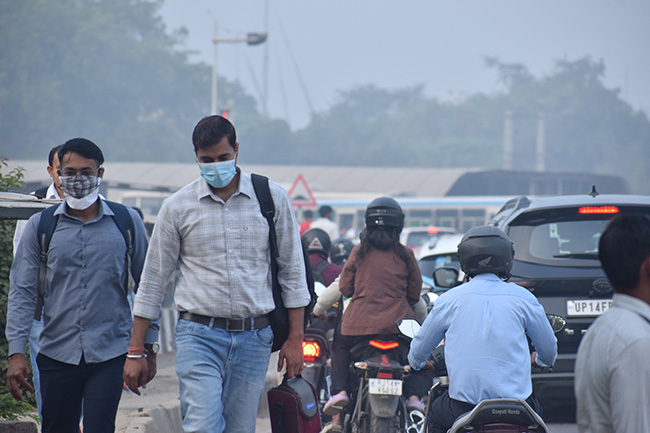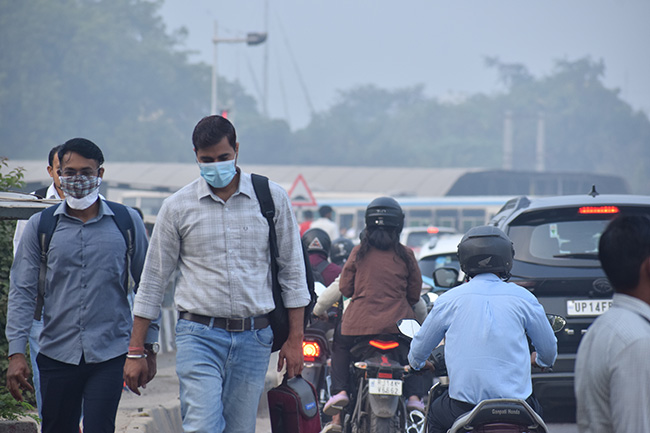
People exposed to air pollution in Gurgaon, India. Photo: © Sudarshan Jha/ Shutterstock.com

UN expert calls for urgent action on air pollution as human rights crisis

Air pollution is a global public health and human rights crisis requiring urgent action from governments and businesses, according to a new report presented to the UN Human Rights Council by Special Rapporteur Astrid Puentes Riaño.

The report highlights that air pollution contributes to an estimated 6–8 million premature deaths each year, affecting nearly every organ of the human body and increasing the risk of heart disease, stroke, cancer and chronic respiratory illnesses. Vulnerable groups—including children, pregnant people, older persons and those with already existing health conditions—face the greatest risks, particularly in low- and middle-income countries and marginalised communities.

Puentes Riaño stresses that under international human rights law, states have a duty to prevent harm by strengthening air quality standards, improving monitoring and enforcement, and prioritising action in pollution hot spots. The report also calls on businesses to reduce emissions, protect workers and disclose pollution from their operations.

This growing recognition reflects a broader shift in international environmental governance, as institutions and advocates push for stronger accountability mechanisms linking environmental protection with human rights obligations. In 2022, the United Nations recognised the right to a clean, healthy environment as a human right, reinforcing calls for stronger action to ensure everyone can breathe clean air.

Source: The Office of the High Commissioner for Human Rights Press release 6 Match 2026: https://www.ohchr.org/en/press-releases/2026/03/air-pollution-driving-widespread-human-rights-violations-un-expert
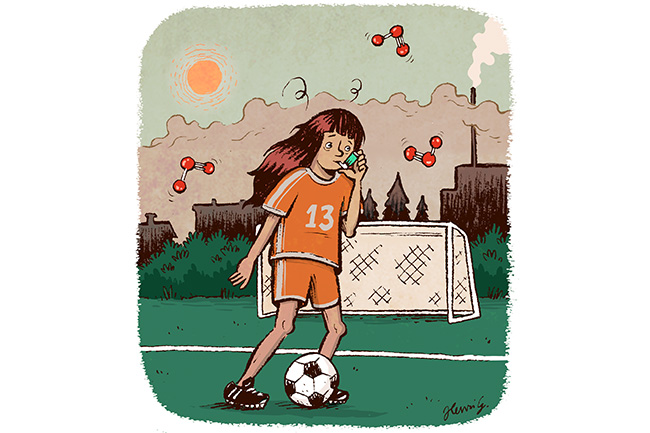

Photo:

Ambient ozone and children’s health

There are consistent evidence linking ozone exposure to a range of childhood health effects: lower birth weight, preterm birth, asthma and respiratory disease. 

People walk through a misting gate in Budapest city centre during a severe heatwave. Photo: © Civic Lens/ Shutterstock.com

Editorial: Every tonne of fossil fuel burned

This summer has once again shown that climate change is no longer a distant threat.

UN expert calls for urgent action on air pollution as human rights crisis

Air pollution is a global public health and human rights crisis requiring urgent action from governments and businesses, according to a new report presented to the UN Human Rights Council by Special Rapporteur Astrid Puentes Riaño.

People exposed to air pollution in Gurgaon, India. Photo: © Sudarshan Jha/ Shutterstock.com
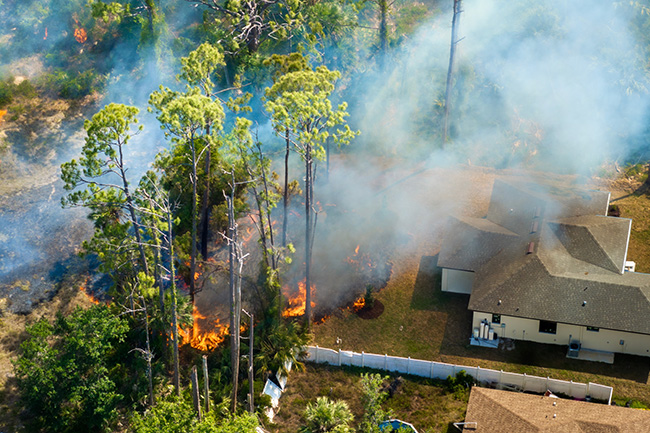
Wildfire near residential area in Florida US, May 2025. Photo: © Bilanol/ Shutterstock.com

What happens when wildfires reach buildings?

Wildfires are becoming more frequent and intense as the climate changes, affecting communities in multiple ways.
Nature reserves in the Netherlands will be protected by a bufferzone. Photo: © INTREEGUE Photography/ Shutterstock.com

Netherlands takes next step to cut nitrogen emissions

On 26 June, the Dutch minority government presented a package of measures aimed at reducing nitrogen emissions. The main elements include:

Most EU countries meet current air pollution targets, but tougher cuts loom

Most EU member states are meeting their current national air pollution reduction commitments, but far greater efforts will be needed to achieve stricter targets that take effect in 2030, according to a new briefing from the European Environment Agency.

Photo: © Zoran Pajic / Shutterstock.com
Photo: Ebba Malmqvist

Santa Marta report strengthens case for a Fossil Fuel Treaty

The final outcome report from the First Conference on Transitioning Away from Fossil Fuels, presented during London Climate Action Week, signals growing international support for stronger global governance to phase out fossil fuels. The conference, co-hosted by Colombia and the Netherlands in Santa Marta earlier this year, brought together representatives from 57 countries as well as Indigenous Peoples, civil society, youth, scientists and workers.

Photo: © JIrk Boockhoff / Shutterstock.com

Progress on Gothenburg Protocol revision as countries discuss black carbon target

Delegates from 42 UNECE countries met in Geneva on 18–20 May for the 64th session of the Working Group on Strategies and Review, continuing negotiations on the revision of the Gothenburg Protocol.
Photo: © Frank Fischbach/ Shutterstock.com

Worlds largest shipping Emission Control Area adopted

By setting binding limits on pollutants from ships, the new North-East Atlantic Emission Control Area will prevent over 4000 premature deaths and save up to €29 billion in health costs by 2050.
Photo: © CRS PHOTO / Shutterstock.com

Environmental damage by food and fossil fuel production costs $5bn per hour

The unsustainable production of food and fossil fuels causes 5 billion US dollars of environmental damage per hour, according to the United Nations report “Global Environment Outlook”, produced by 200 researchers for the UN Environment Programme.

Major drop in ship sulphur emissions confirmed

A new international study led by researchers at the National Centre for Atmospheric Science (NCAS) has confirmed that recent global regulations have significantly reduced sulphur emissions from ships, helping to improve air quality in coastal regions.

Photo: © GreenOak / Shutterstock.com
Photo: © Adam bartosik / Shutterstock.com

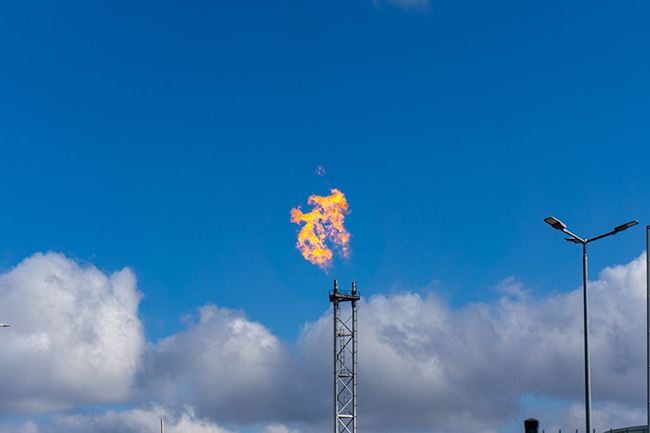
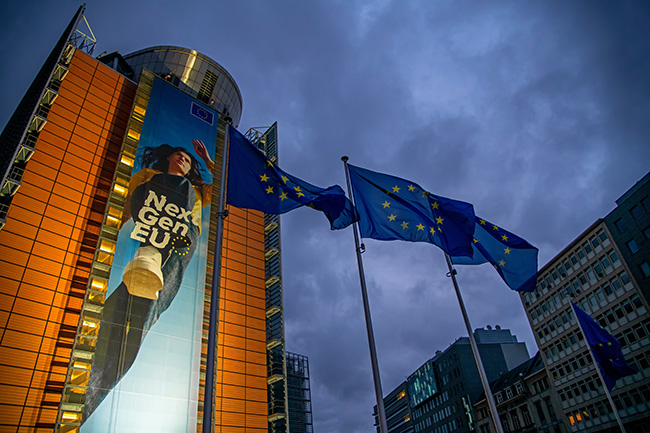
Campaign to weaken EU methane rules gathers pace

The EU Methane Regulation (EUMR) has come under mounting political pressure in recent months. Following an intensive lobbying campaign by the US government, Qatar and the fossil fuel industry, several member states have called for delays or changes to its implementation. So far, however, the European Commission has refused to reopen the legislation.
Photo: © Josep Curto/ Shutterstock.com

Air pollution in early pregnancy linked to delayed child development

Exposure to air pollution during early pregnancy may impair infants’ language and motor development, according to a new study.
Photo: © Sudarshan Jha / Shutterstock.com

Air quality in the EU is improving

Air pollution across Europe continues to decline. However, a large majority—94%—of the urban population still lives in areas where levels of fine particulate matter (PM2.5) exceed the World Health Organization (WHO) guideline values. PM2.5 is considered the air pollutant most harmful to human health.

Photo: © JorgeOrtiz_1976/ Shutterstock.com

Ozone disrupts social life in ant colonies

Ground-level ozone can disrupt the chemical signals ants use to recognise nestmates, causing them to attack members of their own colony, according to a new study from the Max Planck Institute for Chemical Ecology.
Photo: © Joanna Dorota / Shutterstock.com

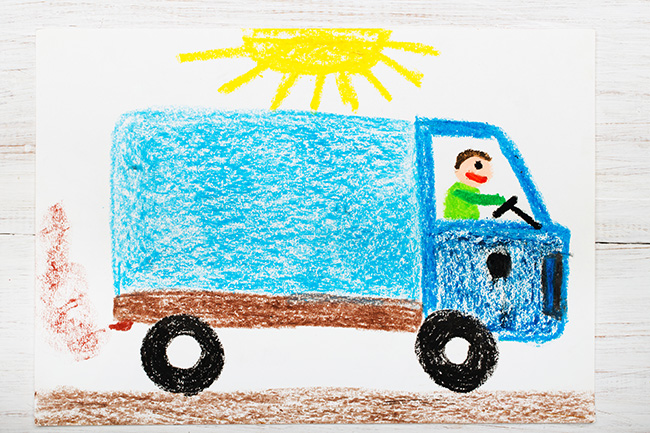
Slovenia introduces air pollution fee for trucks

Slovenia has become a frontrunner in implementing the EU Eurovignette Directive by introducing external cost charges for trucks related to air pollution and noise. The new fee was adopted through an amendment to the Toll Act and applies to trucks with a maximum permissible weight of over 3.5 tonnes.

Photo: © Peter Silverman Photo / Shutterstock.com

Clean air at risk in United States

Air pollutants, measured as ozone and particulate matter, cause more than 100,000 premature deaths each year in the United States and affect the health of millions of people. In a controversial move, Lee Zeldin, administrator of the United States.

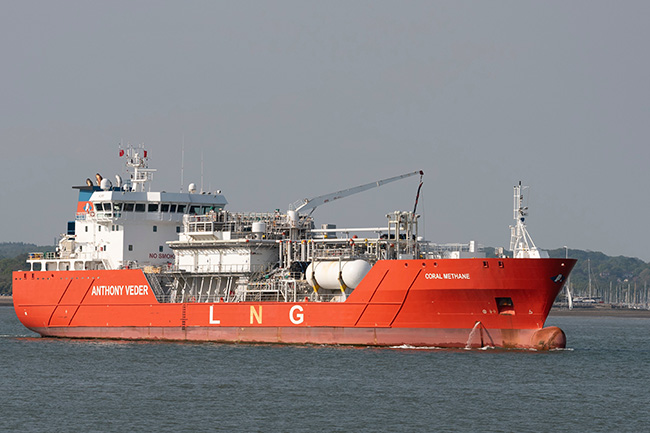
Problems for LNG-powered ships to use onshore power

Many LNG-fuelled ships are technically unable to switch to onshore power supply (OPS) during their time in port, according to a new study commissioned by German NABU and carried out by CE Delft.
Photo: © Werner Lerooy / Shutterstock.com

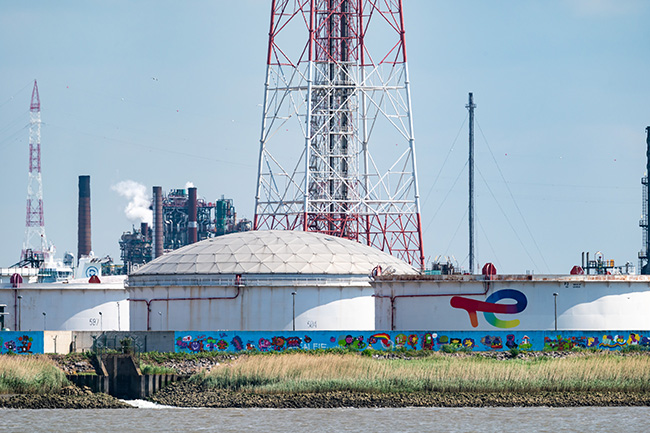
French court says TotalEnergies must consider Scope 3 emissions

A Paris court has ruled that TotalEnergies must take account of greenhouse gas emissions from the use of its oil and gas products when assessing its environmental responsibilities under France's corporate duty of vigilance law.

Photo: © 3dMediSphere / Shutterstock.com

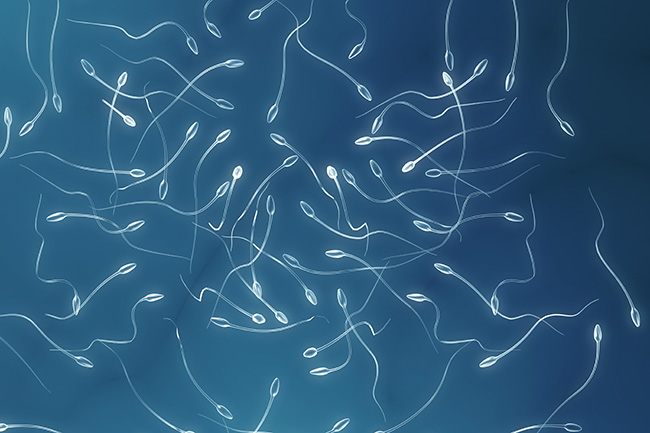
Air pollution may alter sperm DNA

Exposure to air pollution during sperm development may alter how genes are regulated in sperm cells, according to research presented at the annual meeting of the European Society of Human Reproduction and Embryology.
Photo: © DennisF/ Shutterstock.com

WHO: Progress on air quality has stalled

New data from the World Health Organization show that global progress towards reducing air pollution exposure has slowed, while large inequalities between high- and low-income countries persist.
 

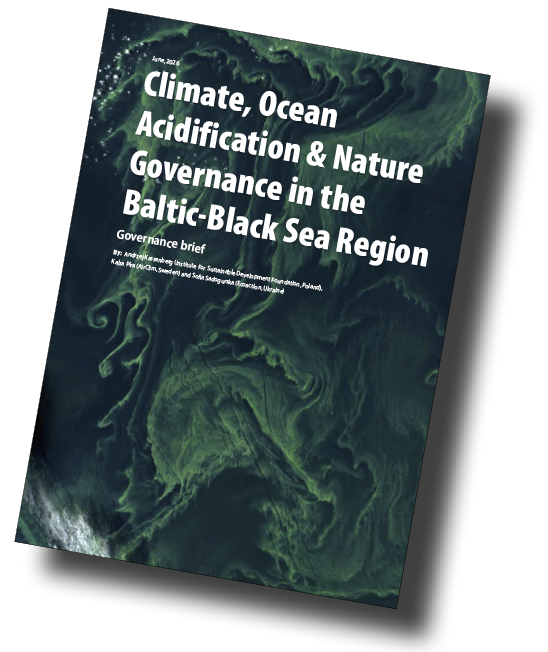
New AirClim report calls for stronger climate–ocean policy integration

Ocean acidification remains one of the most overlooked consequences of climate change, despite being a direct result of rising atmospheric CO₂ concentrations.
Photo: © Damsea/ Shutterstock.com

Europe issues first joint roadmap for seagrass restoration

More than 50 scientists from 17 European countries have published the first continent-wide recommendations for protecting and restoring seagrass meadows. Developed by the European Seagrass Restoration Alliance (ESRA), the guidance outlines eight priority actions to help reverse decades of habitat loss and support implementation of the EU Nature Restoration Regulation.