Most EU member states are meeting their current national air pollution reduction commitments, but far greater efforts will be needed to achieve stricter targets that take effect in 2030, according to a new briefing from the European Environment Agency.
Based on 2024 emissions data, 21 of the EU's 27 member states met their 2020–2029 commitments for all five major air pollutants regulated under the National Emission reduction Commitments Directive: ammonia (NH₃), nitrogen oxides (NOx), non-methane volatile organic compounds (NMVOCs), fine particulate matter (PM2.5) and sulphur dioxide (SO₂). However, six countries failed to meet at least one target, with ammonia remaining the greatest challenge.
Looking ahead, only six member states have already achieved all of their more stringent 2030 commitments, while 21 still need to reduce emissions of at least one pollutant. Nitrogen oxides, ammonia and PM2.5 will require the greatest additional reductions.
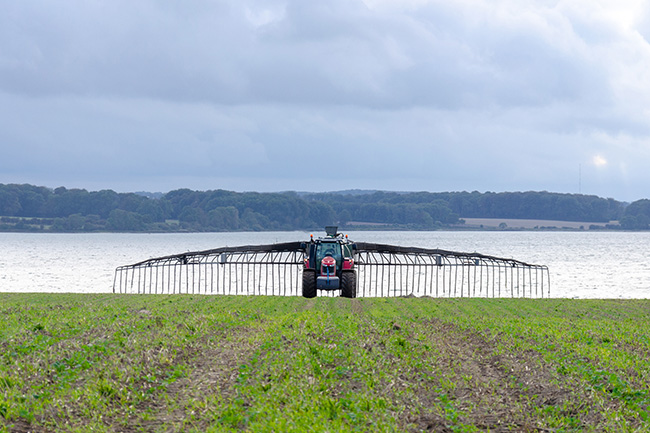
The report highlights agriculture as the dominant source of ammonia emissions, while road transport remains a key source of nitrogen oxides. Residential heating with solid fuels continues to contribute significantly to PM2.5 emissions in several countries.
Since 2005, EU emissions of most major air pollutants have fallen substantially, with sulphur dioxide down by 86% and nitrogen oxides by 54%. By contrast, ammonia emissions have declined by only 18%, underscoring the need for stronger action in the agricultural sector.
The EEA notes that air pollutant emissions have continued to decline while the EU economy has grown by nearly 50% since 2005, demonstrating that economic growth can be decoupled from air pollution through stronger regulation, cleaner technologies and improved energy efficiency.
Source: EEA Briefing, 1 July 2026 https://www.eea.europa.eu/en/analysis/publications/air-pollution-in-europe-2026-reporting-status-under-the-nec-directive