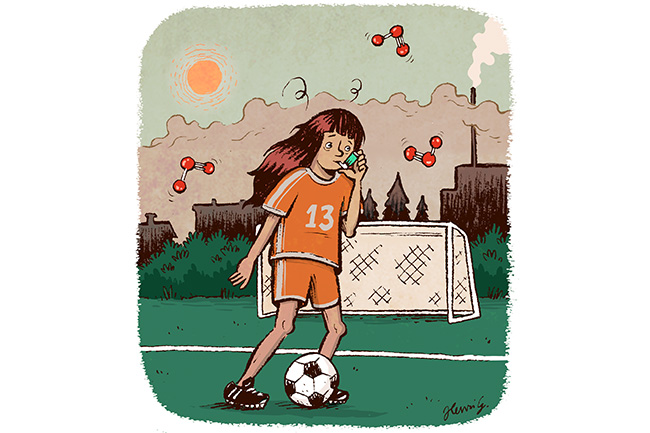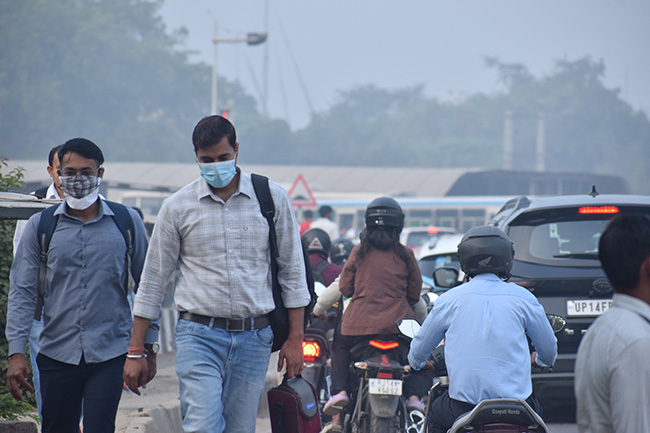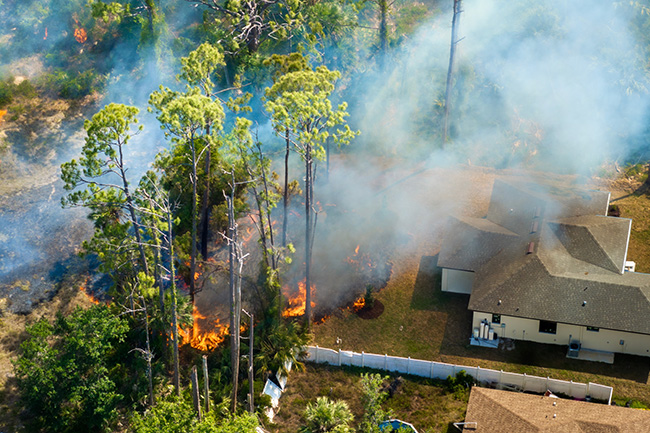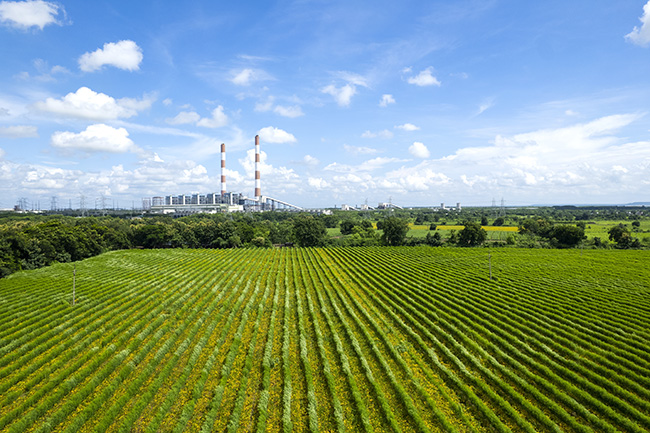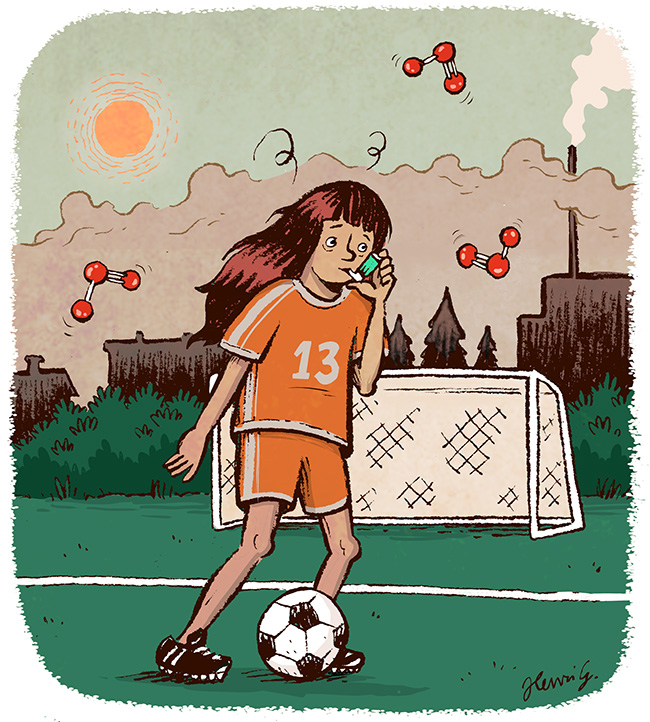
There are consistent evidence linking ozone exposure to a range of childhood health effects: lower birth weight, preterm birth, asthma and respiratory disease.
Tropospheric ozone is a major air pollutant that contributes to global illness and premature death. Over the two decades leading up to 2023, the disease burden from chronic obstructive pulmonary disease (COPD) linked to ozone exposure increased by approximately 50%, reaching an estimated 470,000 deaths annually (1). Ozone is also estimated to account for up to 20% of emergency hospital visits for asthma (2).
While levels of many air pollutants have declined in recent decades, ozone is one pollutant that has generally increased. Given its direct impact on morbidity and mortality, this trend is particularly concerning.
Children are widely recognised as especially vulnerable to air pollution. They inhale more air relative to their body weight, and their lungs and immune systems are still developing, which increases both their exposure and susceptibility to harmful effects.
A systematic review published in 2024 examined the global evidence on ozone exposure and children’s health, identifying multiple outcomes with strong supporting evidence—including effects observed at levels below current World Health Organization (WHO) guideline values (3). The review consistently showed associations between ozone pollution and reduced birth weight, childhood asthma, other respiratory diseases, and obesity. Maternal exposure to ozone during pregnancy was linked to lower birth weight, with some variation depending on the timing of exposure across trimesters (3). Evidence also indicated increased risks of preterm birth and stillbirth, including in relation to short-term peaks in ozone levels (3).
Respiratory effects were among the most robust findings. Ozone exposure was associated with respiratory symptoms, asthma exacerbations, emergency department visits, and hospitalisations. Short-term peaks in ozone were also linked to acute respiratory symptoms (3). Additionally, consistent evidence showed reduced lung function, including subclinical changes detectable by spirometry, with some studies suggesting that even brief exposure peaks may affect lung development (3).
Beyond respiratory outcomes, the review identified associations with metabolic effects, including increased risk of childhood obesity, as well as potential effects on blood lipids, blood pressure, and hormonal development, such as earlier puberty in girls (3). Evidence for other outcomes, such as inflammatory diseases, infections, and mental health, was more mixed. The review also highlighted environmental inequalities, with differences in exposure and health impacts observed across social groups and regions (3).
Studies published since the review provide further insight into additional potential impacts of ozone on children’s health. While these studies have not been assessed for bias in the same systematic way, they contribute to a growing body of evidence linking ozone exposure to a wider range of outcomes. One large study examined long-term ozone exposure and overall mortality among 1.2 million children under five years old in low- and middle-income countries. Their findings indicated that a 10 ppb increase in life-course average peak-season ozone was associated with a 6.4% increase in mortality risk (4).
Other emerging associations include acute leukaemia, negative mental health symptoms, behavioural and peer relationship difficulties, and sleep disorders (5-8). Evidence also suggests that prenatal and early-life exposure may be linked to intellectual disability and reduced bone density in children (9, 10).
Taken together, the evidence indicates that ozone pollution has broad and potentially far-reaching effects on children’s health. Some of these effects have been observed at concentrations below WHO guideline levels, and patterns of environmental inequality are apparent. Given that most tropospheric ozone originates from human-driven emissions, these findings strengthen the case for reducing precursor pollutants to better protect children’s health.
As most tropospheric ozone pollution is anthropogenic in origin, controlling emissions of precursor pollutants is key to limiting health impacts. Effective action requires the reduction, control, and regulation of these precursors, alongside the establishment of clear limit values for ozone itself. Both long-term averages and short-term peaks need to be addressed, as each can affect children’s health in different ways.
Policy progress has sometimes been hindered by the argument that ozone formation occurs naturally. However, given that the majority of tropospheric ozone is driven by human emissions, this should not delay action. More ambitious standards are needed, and existing regulatory frameworks—such as those within the European Union and under the UNECE Air Convention—should be strengthened to reflect current scientific evidence.
There is also a strong case for integrated climate action. Sources of ozone precursors are closely linked to greenhouse gas emissions, and climate change is expected to amplify ozone formation. Addressing these interconnected challenges offers important opportunities to protect both children’s health and the environment.
Note: This article is a shorter version of the report Ambient ozone and children’s health
BOX: Tropospheric Ozone
Tropospheric ozone is a secondary pollutant that forms in the lowest layer of the atmosphere (up to ~10 km above the Earth) when precursor pollutants—mainly nitrogen oxides (NOₓ) and volatile organic compounds (VOCs, including methane)—react in sunlight (3). Reducing these emissions is therefore key to lowering ozone levels.
Tropospheric ozone should not be confused with stratospheric ozone, which forms a protective layer shielding the Earth from harmful ultraviolet (UV) radiation and is linked to the “ozone hole” caused by chlorofluorocarbons (CFCs). Only about 10% of ozone at ground level comes from stratospheric exchange; the vast majority, up to 85%, originates from the secondary transformation of mostly human-related pollutants (3, 11).
Ozone also harms plants and ecosystems, a concern that intersects with climate change. Warm, sunny conditions favour ozone formation, and rising temperatures, more frequent heatwaves, and stagnant air associated with climate change may increase ozone levels in some regions (3, 12, 13). Shifts in seasonal timing can further influence when and where ozone forms.
The World Health Organization (2021) Air Quality Guidelines recommend that ozone concentrations should not exceed 100 µg/m³ (~47 ppb) as a daily maximum 8-hour average, and 60 µg/m³ (~28 ppb) averaged over the six highest months of the year (3).
Tropospheric OzoneTropospheric ozone is a secondary pollutant that forms in the lowest layer of the atmosphere (up to ~10 km above the Earth) when precursor pollutants—mainly nitrogen oxides (NOx) and volatile organic compounds (VOCs, including methane)—react in sunlight (3). Reducing these emissions is therefore key to lowering ozone levels. |
References:
1. Health Effects Institute. The State of Global Air 2025. Health Effects Institute; 2025.
2. Anenberg SC, Henze DK, Tinney V, Kinney PL, Raich W, Fann N, et al. Estimates of the Global Burden of Ambient PM2.5, Ozone, and NO2 on Asthma Incidence and Emergency Room Visits. Environ Health Perspect. 2018;126(10):107004.
3. Zhou Y, Qu L, Li D, Xu W. Ambient Ozone Exposure and Global Child Health: A Systematic Review of Epidemiological Studies. Acta Paediatr. 2025;114(12):3122-35.
4. Xue T, Wang R, Tong M, Kelly FJ, Liu H, Li J, et al. Estimating the exposure-response function between long-term ozone exposure and under-5 mortality in 55 low-income and middle-income countries: a retrospective, multicentre, epidemiological study. Lancet Planet Health. 2023;7(9):e736-e46.
5. Zhang Y, Bao WW, Ji W, Zhao Y, Jiang N, Chen J, et al. Ozone concentration, physical activity, and emotional and behavioral problems in children and adolescents. Environ Res. 2025;267:120697.
6. Yen HC, Chen IC, Lin WS, Lin KC, Wu MC, Lin CH. Prenatal exposure to air pollution and pediatric acute leukemia: A nationwide study. Sci Total Environ. 2025;992:179975.
7. Gui ZH, Heinrich J, Morawska L, Zhao TY, Yim SH, Lao XQ, et al. Long-term exposure to ozone and sleep disorders in children: A multicity study in China. Environ Res. 2024;260:119553.
8. Dang J, Wang Y, Ma N, Cai S, Guo J, Liu Y, et al. The impact of long-term exposure to NO(2), O(3), and their oxidative potential on adolescents' mental health, and the protective role of school-based greenness. Environ Int. 2025;195:109212.
9. Tang L, Zhu Y, Ma Y, Miao C, Sun B, Cui F, et al. Prenatal exposure to ozone and bone mineral density in early childhood: Susceptible window identification. Environ Res. 2025;275:121419.
10. Grineski SE, Renteria R, Bakian A, Collins TW, VanDerslice J, Alexander CJ, et al. Prenatal ozone exposure and risk of intellectual disability. J Expo Sci Environ Epidemiol. 2026;36(1):14-21.
11. Jiang L, Peng H, Zhou Y, Dai C. Current progress on tropospheric Ozone sources, biological effects and trends. Int J Biometeorol. 2025;69(11):2915-40.
12. Vongelis P, Koulouris NG, Bakakos P, Rovina N. Air Pollution and Effects of Tropospheric Ozone (O(3)) on Public Health. Int J Environ Res Public Health. 2025;22(5).
13. Nguyen D-H, Lin C, Vu C-T, Cheruiyot NK, Nguyen MK, Le TH, et al. Tropospheric ozone and NOx: A review of worldwide variation and meteorological influences. Environmental Technology & Innovation. 2022;28:102809.