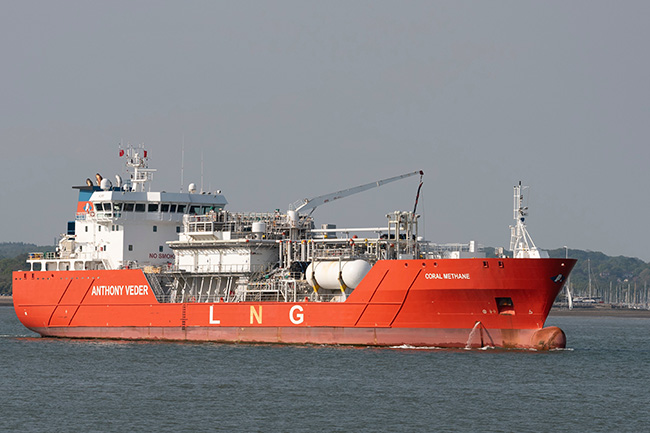
Many LNG-fuelled ships are technically unable to switch to onshore power supply (OPS) during their time in port, according to a new study commissioned by German NABU and carried out by CE Delft.
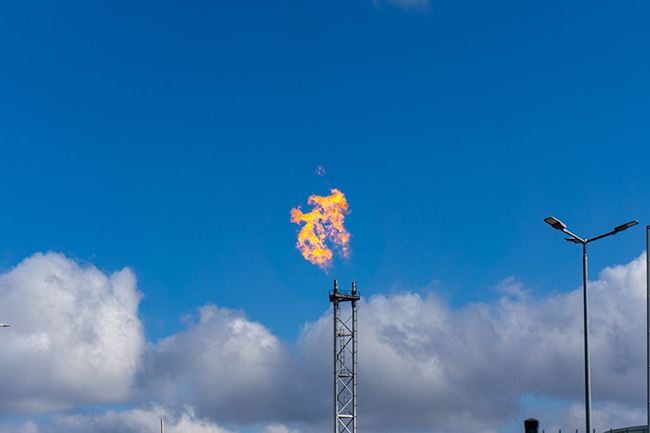
The reason for this is boil-off gas produced when storing LNG at extremely low temperatures (-162°C). This boil-off gas must be continuously vented and burned to prevent dangerous pressure increases in the tanks.
When ship engines are shut down during OPS operation, there is often no safe way to utilize this vented gas which can result in methane emissions or inefficient combustion, partially outweighing the environmental benefits of using OPS.
OPS is a key measure to cut emissions of air pollutants and greenhouse gases from shipping and will become mandatory for many ships in the EU ports from 2030.
“The results clearly show that LNG is not a viable transition technology for shipping,” Sönke Diesener, shipping expert at NABU said.
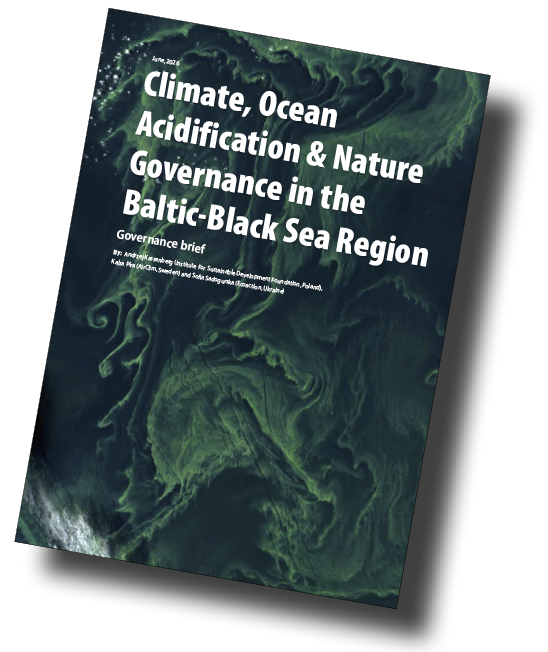
The study: “LNG boil-off gas at berth. LNG-fuelled container ships fit for mandatory On-shore Power Supply?” Link: https://en.nabu.de/topics/traffic/20873.html