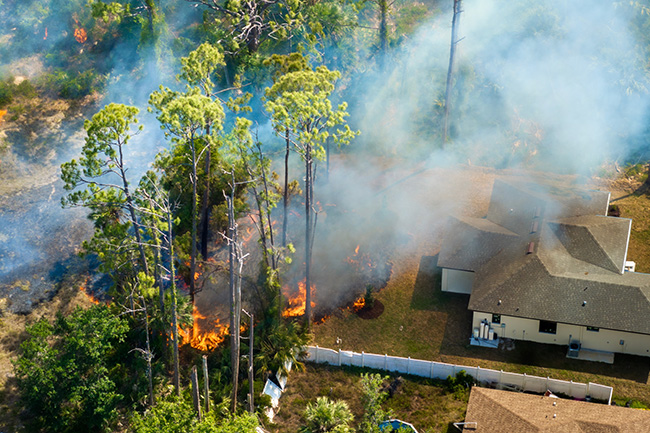
This summer has once again shown that climate change is no longer a distant threat. Across Europe, temperatures have climbed above 40°C, hospitals have treated growing numbers of people suffering from heat-related illness, and preliminary estimates indicate that the late-June heatwave caused more than 4,000 excess deaths across several Western European countries [1]. At the same time, ground-level ozone has reached elevated concentrations across parts of Europe, increasing the risk of asthma attacks, cardiovascular disease and premature death.
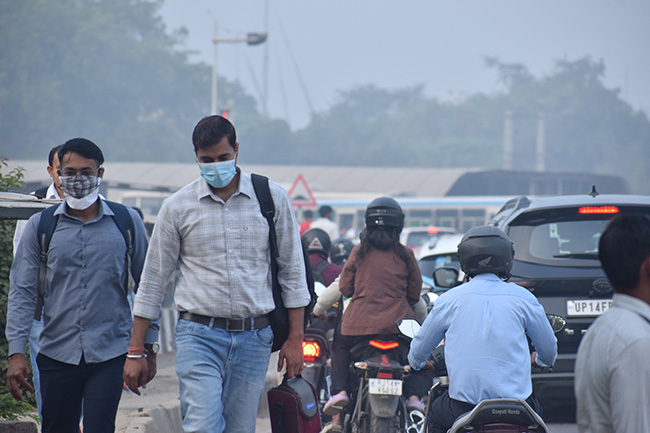
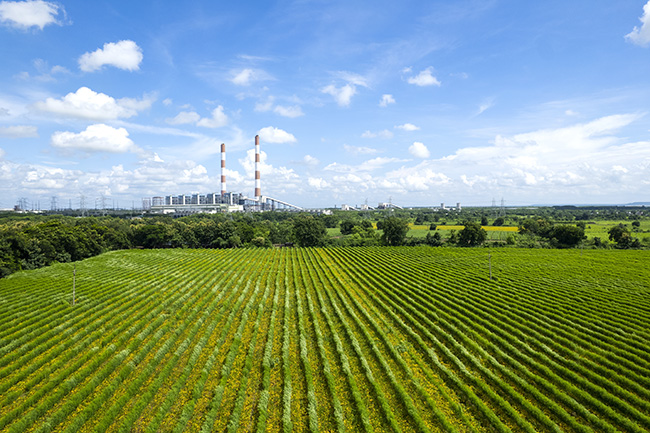
These are not isolated weather extremes. They are the predictable consequences of our continued dependence on fossil fuels. Hotter weather accelerates the formation of ground-level ozone from emissions released by transport, industry and other combustion sources. Climate change and air pollution are therefore not separate crises—they are symptoms of the same underlying problem.
That is why the recent Santa Marta Conference on the Transition Away from Fossil Fuels is so important. Bringing together scientists, policymakers and civil society, the conference placed health at the centre of the discussion—a welcome shift. Too often, debates about the energy transition focus on economics or energy security, while overlooking one of the strongest arguments for action: protecting people's health.
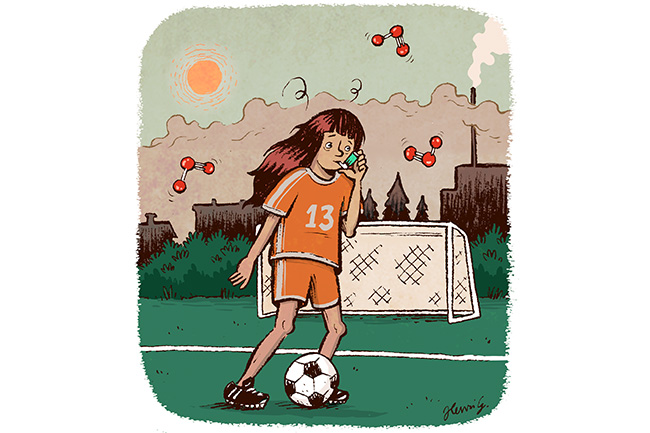
This issue of Acid News highlights one aspect of this growing public health challenge. Our report on ozone and children's health shows how ozone pollution can impair lung development, worsen respiratory disease and affect lifelong wellbeing. Children are among those least responsible for the climate crisis, yet they stand to bear some of its greatest health consequences.
The Santa Marta Conference’s final recommendations also send an encouraging signal. They call on governments to explicitly recognise the health benefits of reducing fossil fuel use in their national climate plans. Cleaner air should not be treated as a side benefit of climate action—it is one of its most immediate and tangible outcomes.
Europe's latest heatwave is a reminder of what is at stake. Every tonne of fossil fuel burned not only warms the climate but also worsens the air we breathe. Phasing out fossil fuels is therefore not simply a climate imperative—it is one of the most effective public health measures available. The science is clear. The health benefits are immediate. What remains is the political will to act.
Ebba Malmqvist
[1] EuroNews 3 July 2026 https://www.euronews.com/health/2026/07/03/heatwave-leaves-europe-with-thousands-of-excess-deaths?