© Love Silhouette/ Shutterstock.com

Scaling up renewable energy investment in emerging markets

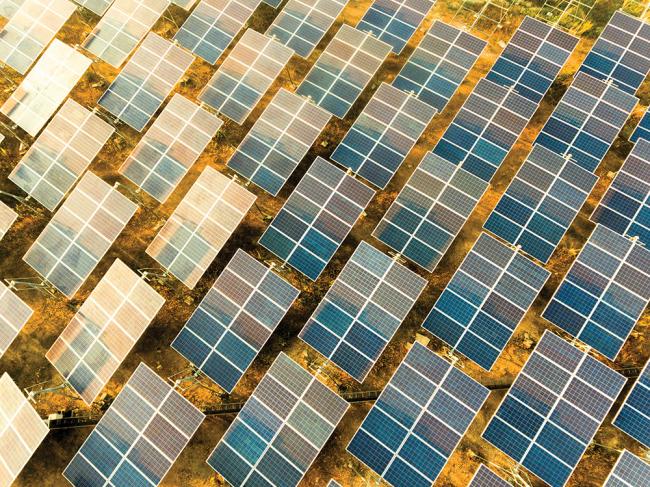
The transformation of the world’s energy system in line with internationally established climate and development objectives will need a significant scaling up of energy investment. Yet renewable energy investments fell by 2.6% in the first quarter of 2020 compared to the same period in 20191. New commitments dropped further during April and May, two-thirds lower than the same period last year. The financial impact of Covid-19 is even greater in emerging markets. Increased risk aversion and a global liquidity crunch generated severe capital outflows from emerging markets2. Foreign capital flows to emerging markets are estimated to decrease by 53% during 2020.3

In addition, the crisis is likely to be accompanied by a wave of credit downgrades, making it even more challenging for borrowers from emerging markets and developing countries to access the international debt market. With reduced project financing options, emerging markets could see a decrease in new renewable energy projects. There are also concerns that developing countries will prioritise fossil fuels as a means to recover from Covid-19. For example, South-east Asia countries such as Vietnam and Indonesia, which have large coal deposits, may see the exploitation of these resources as a cost-effective option for boosting power generation and the economy.

Fatih Birol, executive director of the International Energy Agency (IEA) stated that “The historic plunge in global energy investment is deeply troubling for many reasons. The slowdown in spending on key clean energy technologies also risks undermining the much-needed transition to more resilient and sustainable energy systems.” Finding ways for emerging markets to create an environment for investment in renewable energy is of great importance.

That being said, there are factors that must be addressed to accelerate the development of renewable energy investments in emerging markets, but also ensure they are as sustainable as possible for the affected stakeholders. Risk-mitigation instruments will be essential, especially as the Covid-19 pandemic and its disruptions have made investors more risk averse.

Current trends in renewable energy development are already diversifying the investor base and decreasing funding costs. However, it is of vital importance that the right tools and policies are in place to enable these developments to effectively combine international and national goals with local implementation. The International Renewable Energy Agency (IRENA)  Coalition for Action has published a report which summarises the challenges, risks and solutions for scaling up renewable energy investments in emerging markets. The report highlights these factors in three main categories: Finance and Bankability Challenges, Administrative and Capacity Challenges and Policy and Regulatory Challenges.

Finance and Bankability Challenges

Renewable energy projects need to be seen as profitable and executed as proposed over the financing period. The risks must be minimised in every way possible. Off-taker risk parties, i.e. investor-owned, municipal or national utilities that buy electricity from independent power producers, may not have a balance sheet strong enough to satisfy investors.

A tool to mitigate this risk is an off-taker guarantee mechanism. If the off-taker is not creditworthy, a state guarantee can be used to mitigate the payment risk, and in some cases the regulatory risk, to make the contract bankable enough to be accepted by lenders and investors. In addition, if the state does not have a high enough credit rating, development banks or export credit agencies can step in and and provide the guarantees.

One successful example of this is the 25.5 MW Cabeólica wind farm project, the first commercial-scale wind farm in sub-Saharan Africa. It was commissioned in 2011 and developed by the private company InfraCo Africa with support from the government of Cabo Verde and its national utility, Electra. Electra had no credit rating and was loss-making at the time of signing the power purchase agreement (PPA). The PPA defines all the commercial terms for the sale between the two parties and defines the revenue and creditworthiness of a project. The off-taker guarantee mechanism was essential to develop the project. The government of Cabo Verde endorsed the Cabeólica wind farm by establishing a public-private partnership and issuing a government support agreement.4

Administrative and Capacity Challenges

Factors connected to administrative challenges and capacity, such as the project development’s timeliness and the transparency of the procedures and decision-making processes, are essential for a desirable investment environment. Land access is one of the most problematic concerns when it comes to renewable energy projects in emerging markets.

The renewable energy industry should not be put in a position of attempting to resolve old land disputes. The lack of jurisdictional guidance in these cases can create a terminal challenge for the project’s development. One risk mitigation measure is to centralise, strengthen and streamline administrative and permitting institutions. This could encourage investment as a concentrated framework to improve the coordination and permitting requirements processes. An example of this is Zambia’s Public Private Partnership Unit5.

Another important factor is the mitigation of land tenure issues. In many nations, land use and ownership records are incomplete, and arrangements of land ownership are complex, such as  post-colonial structures and unresolved indigenous land claims. The departments handling land reform and planning are often distant from energy policy departments. In such cases, introducing some level of government guarantee in the event of land disputes, or the definition by government of zones appropriate for renewable energy development, could have a tremendously positive impact on renewable energy development.

When it comes to the social acceptance of renewables and land tenure issues, proactive engagement and dialogue with landowners and communities is vital. In Mexico, following years of land disputes, the promoting of good relationships with stakeholders is a high priority for renewable energy developers. In the Oaxaca region, an annual socio-economic community study has been executed and the interests of the population and their views on the performance of the developers in environmental protection, business ethics and local economic development have been documented. This provides a guideline to reinforce the developer’s Social Management Plan and to address the risks and opportunities that arise.

Policy and Regulatory Challenges

The main regulatory risk for renewable energy investments in emerging markets is connected to unexpected changes in energy policies, procedures, market design, grid access and resource planning during the project development and plant operations phase. Rules for accessing grid connections, resource planning, curtailment compensation and payment mechanisms can generate regulatory issues.

To address regulatory challenges, an effective legal framework that forms long-term and comprehensive renewable energy policy is essential. A balance between predictability and flexibility is also crucial to adjust to a fast-evolving market environment and technology development. Three main principles should guide the strategies and policy implementations: environmental sustainability, security of supply and economic affordability.

Risk connected to policy exists in both mature and emerging markets. To mitigate policy risk it is important to establish and maintain clear policies and only gradually make changes when necessary, and to announce all changes early and concisely to keep stakeholders informed. This creates confidence in the market through a clear track record, instead of making “retroactive changes”, as has happened recently in some markets. In addition, international policy standards and comparability are crucial to deliver political and economic stability. International collaborations contribute to limiting the risk perception, which can be an obstacle to investment potential.

Emilia Samuelsson

Based on:

IRENA (2020), The post-COVID recovery: An agenda for resilience, development and equality, International Renewable Energy Agency, Abu Dhabi

IRENA Coalition for Action (2018) Scaling up Renewable Energy Investment in Emerging Markets, International Renewable Energy Agency, Abu Dhabi

1. BNEF (BloombergNEF) (2020), “Transactions” (database), BloombergNEF, Available at: www.bnef. com/fundscommitted/search.

2. IMF (International Monetary Fund) (2020), Regional Economic Outlook – Sub-Saharan Africa: COVID-19, An Unprecedented Threat to Development, Washington, DC.

3. IIF (Institute of International Finance) (2020), Capital Flows Report Sudden Stop in Emerging Markets, IIF, Washington, D.C.

4. ECREEE (2017), Case Study: CABEÓLICA WIND PROJECT Cabo Verde, ECOWAS Centre for Renewable Energy and Energy Efficiency ;IRENA (International Renewable Energy Agency) (2016a), Unlocking Renewable Energy Investment: The Role of Risk Mitigation and Structured Finance, IRENA, Abu Dhabi.

5. Zambia Development Agency (2014), Public-Private-Partnerships in Infrastructure Development in Zambia, Zambia Development Agency, Lusaka.

© VectorMine/ Shutterstock.com

Plans to tackle key air pollutants insufficient

In its first report on countries’ progress towards EU air pollution goals, the European
Commission said that most member states are at risk of missing their binding emission
reduction targets for both 2020 and 2030.

Binding EU air pollution emission limits still breached

In 2018, the national emission ceilings for ammonia were still violated by five member states, although total ammonia emissions seem now to have plateaued after five consecutive years of increase.

© Amy Johansson/ Shutterstock.com

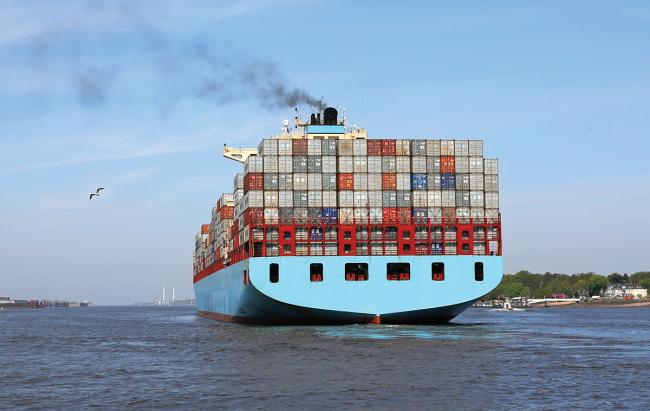
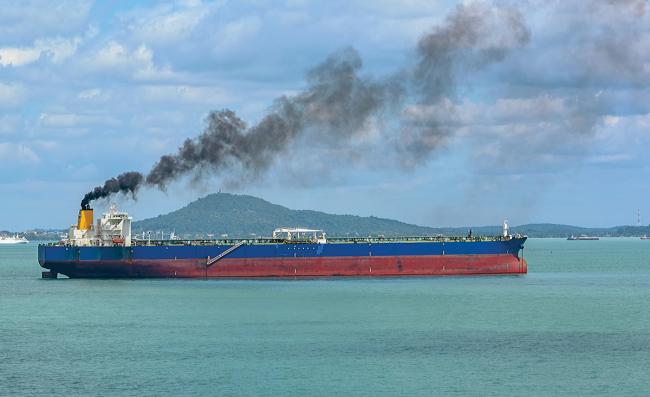
Phase-out ship scrubbers

The International Council on Clean Transportation (ICCT) is calling for all open-loop scrubbers to be converted to closed-loop, and for an eventual ban on the technology.

Global ship emissions keep on rising

In 2018, worldwide shipping consumed some 330 million tonnes of fuel oil, resulting in emissions of 1056 million tonnes of carbon dioxide. Unless concerted action is taken, these emissions are expected to grow by up to fifty per cent by 2050.

© Igor Grochev/Shutterstock.com

EU Commission proposes strategy for energy system integration

The European Commission issued its strategy – “Powering a climate-neutral economy: An EU Strategy for Energy System Integration” – on 8 July 2020. This is one of several policy initiatives which have been presented as a part of the European Green Deal.

New civil society scenario shows pathway towards 65% emission reductions by 2030

The European Commission will propose in the coming weeks an updated EU 2030 climate target. European NGOs have developed their own Paris Agreement Compatible (PAC) energy scenario that illustrates how EU greenhouse gas emissions can be cut by 65% by 2030.

© SofiaV/ Shutterstock.com
© Love Silhouette/ Shutterstock.com

Scaling up renewable energy investment in emerging markets

The untapped potential for the renewable energy sector in emerging markets in Africa, Asia and Latin America is enormous, and should be addressed urgently in recovery efforts post-Covid-19.

Editorial

Place the most vulnerable at the core of the response to the climate crisis. The citizens of Small Island Development States (SIDS) are among the most vulnerable people to climate change. More than 60 million people living on these islands are threatened directly by sea-level rise and more intense weather-related natural disasters, caused by global heating.

Serious health effects and high mortality rate from burning fossil fuels and climate heating

Swedish medical associations have summarised the current scientific evidence on the health effects of climate heating and highlighted important areas where efforts to reduce carbon dioxide emissions, such as phasing out fossil fuels and reducing meat consumption, will also have profound health benefits.

© Siyapath/ Shutterstock.com

Climate crisis could displace 1.2bn people

1.2 billion people living in 31 countries that are not sufficiently resilient to withstand ecological threats face being displaced within 30 years, according to a new report.

© ArtSvetlana/ Shutterstock.com

Eco-label for stoves

Residential burning of wood, coal and gas for home heating is a major source of air pollution, such as health-damaging PM. 

The last EU emission standards for road vehicles?

The EU is currently in the process of setting new pollutant emission standards for light and heavy-duty vehicles.

Oil or Paris

The stakes are high for the Swedish government when it decides whether to permit a big residue oil refinery in Lysekil. If it says yes, Sweden is unlikely to reach its climate target. If it says no it is a setback for oil-exporting countries, especially Norway and Saudi Arabia.

National dietary guidelines could reduce greenhouse gas emissions

Official UK dietary advice, known as the Eatwell Guide, could reduce the risk of premature death by an estimated 7% and contribute to a significant reduction in greenhouse gas emissions – if it is followed.

The economic recovery during and after the Corona pandemic is an opportunity for decarbonisation

Some of the best measures for the climate, as suggested by NGOs in a poll for AirClim, are good for restarting the economy too.

In brief

EU infringement actions on air pollution

In May, the European Commission issued a reasoned opinion, threatening to take Slovenia to the EU Court of Justice if it does not comply within four months with the Air Quality Directive. Slovenia failed to ensure compliance with the limit values for PM10 in Celinsko Obmocje and has not taken appropriate measures to keep exceedance periods as short as possible.

Romania was sent a formal notice over infringements of the same directive, with the threat of a reasoned opinion to follow if action is not taken within four months to reduce levels of NO₂.

Bulgaria and Poland were cautioned for not allowing citizens to challenge public authorities over the air quality plans required under EU law, while France, Cyprus and Lithuania were similarly cautioned over failures to fully incorporate the National Emissions Ceiling Directive into national law.

Source: Ends Europe Daily, 14 May 2020.

The full 14 May infringements package: https://ec.europa.eu/commission/presscorner/detail/en/inf_20_859

UK government proposes new law to prevent illegal deforestation in supply chains

The new law that is proposed by the UK government requires large companies to ensure that the supply chain commodities they use, such as soy, beef and palm oil, have not been produced on illegally deforested land. Further, they must show that they have taken proportionate action to prove that this is the case. The new law is intended to restrict the global problem of illegal conversion of forests and other important natural areas into agricultural land. The law proposal is currently up for consultation in the UK government.

Source: https://fcrn.org.uk/research-library/proposed-uk-law-restricts-illegal-d...

NO2 in German cities

A new report by the German Federal Environment Ministry (BMU) shows that nitrogen dioxide (NO₂) concentrations exceeded the air quality limit of 40 micrograms of NO₂ per cubic metre of air (µg/m³) per year in 25 cities in 2019, compared to 57 cities in 2018.

On average, the annual mean NO₂ values in 2019 at measuring stations close to traffic were around 4 µg/m³ lower than in 2018. The reasons for the decline were: Local measures such as speed limits, driving bans or the use of less polluting buses; nationwide measures such as software updates; funding under the programme “Clean Air 2017–2020”; the renewal of the vehicle fleet with vehicles that in real operation have lower NOx emissions; and meteorological influences that affect the spread of air pollutants.

Source: AECC Newsletter, June 2020.

The BMU press release (in German): www.bmu.de/pressemitteilung/stadtluft-wird-sauberer-zahl-der-staedte-ueb....

High emissions from domestic solid-fuel burning

Burning just 2–3 kg of coal, briquettes, peat sods or wood produce the same amount of particulate matter (PM) as driving a typical, modern diesel car for several thousand kilometres, according to a study by University College Dublin, published by the Irish Environment Protection Agency.

The emission factors were obtained using a domestic stove designed to current standards, and they represent emissions over the complete combustion cycle, from ignition through to extinction. The study covered several fuel types: sod peat, peat briquettes, bituminous and smokeless coals, hardwood, softwood as well as firelighters.

The authors conclude that smoky coal bans “while laudable in principle” are ineffective and that all combustion of solid fuels in manually operated, domestic appliances in urban areas should be discouraged instead.

Source: Independent.ie, 11 July 2020.

The report “Emission Factors from Domestic-scale Solid-fuel Appliances”: http://www.epa.ie/pubs/reports/research/climate/research324.html

French government faces heavy fine

The French government will be fined €10 million every six months if it does not reduce air pollution in line with the law, the Council of State, the country’s highest administrative court, said on 10 July. Following complaints by environmental organisations, the council ordered the government in July 2017 to take measures to reduce nitrogen dioxide and particulate matter pollution in several regions to bring them in line with the EU Air Quality Directive.

“The council notes that the government has not taken the necessary steps to reduce air pollution in eight zones,” it said in a statement, adding that the fine would be the highest penalty it has ever issued. The fines paid by the state would be transferred to environmental organisations, the council said, adding that the fines could also be increased.

Source: Reuters, 10 July 2020.

Germany sued over air pollution failures

ClientEarth and Environmental Action Germany in May lodged a legal challenge with the Higher Administrative Court of Berlin and Brandenburg, in relation to flawed national air pollution control programmes that put Germany on track to miss legally binding emission reduction targets for four out of five pollutants in 2030.

Lawyer Caroline Douhaire, who is representing the organisations in the case, said: “Germany has never been a model student when it comes to implementing EU air quality law. The ongoing breaches of NO₂ limits in cities across Germany have prompted multiple court rulings against authorities, as well as an EU-level case against the country itself. The German government must not make the same mistake in reducing national emissions under the NEC Directive. We need measures in place now to secure the right emissions reductions in time – and currently, this is not what we’re seeing.”

Source: ClientEarth media release, 26 May 2020. Link: https://www.clientearth.org/press/germany-sued-over-major-national-air-p...

Shipper MSC in top 10 list of EU carbon polluters

The Mediterranean Shipping Company (MSC) overtook Ryanair in the top 10 rankings of the EU’s biggest carbon dioxide emitters in 2019. Data compiled by Transport & Environment (T&E) showed MSC emitted an estimated 10.72 million tonnes of CO₂ in 2019, ranking it seventh in the EU, rising above Ryanair at No. 8, which produced an estimated 10.53 million tonnes.

Both MSC and Ryanair still emit less CO₂ than the biggest coal-fired power plants in the top 10 list. Six German plants and two Polish plants make up the rest of the list, with Poland’s Belchatow power station the biggest polluter.

Source: Reuters, 3 July 2020

T&E press release: https://www.transportenvironment.org/press/top-shipping-polluter-overtak...

Greenhouse gas production from aquaculture

Global aquaculture accounted for around 0.49% of anthropogenic greenhouse gas emissions in 2017, approximately the same level as emissions derived from sheep meat production. These are findings from a recent study that quantified the global GHG emissions from aquaculture (excluding the production of aquatic plants). When emissions are measured per kilogram of food, aquaculture shows a lower emission intensity than meat from buffalo, cattle, goats and sheep, while the production of meat from pigs and chickens show a similar emission intensity as aquaculture.

The relatively low emission intensity of aquaculture was attributed to the absence of methane production in the digestive system of the fish, together with the high fertility of fish and their efficient conversion of feed into edible product.

Aquaculture production is an important part of global food security, and awareness of its contribution to GHG emissions and how to mitigate them is important for expanding aquaculture sustainably.

Report: https://www.nature.com/articles/s41598-020-68231-8

Methane rises to highest level on record

Animal farming and fossil fuels have driven global emissions of methane to the highest level on record, according to new data from the Global Carbon Project. Since 2000, emissions have risen by nine per cent (approximately 50 million tonnes a year), and concentrations are currently increasing at a rate of around 8–12 parts per billion (ppb) per year.

Source: The Guardian, 14 July 2020
Further information: https://www.globalcarbonproject.org/methanebudget/

Dirty air endangers World Heritage Sites

Air pollution can destroy our cultural heritage, including historical buildings and monuments. A recent study under the Air Convention evaluated risks of potential damage and associated costs due to air pollution for 21 UNESCO World Heritage Sites in six countries: Croatia, Germany, Italy, Norway, Sweden and Switzerland.

Corrosion and soiling by dirty air can lead to severe economic losses through high maintenance and restoration costs. For example, the total annual cost of maintenance work from soiling of the limestone surface of the Colosseum in Rome, Italy, was estimated to be about €680,000 per year.

Source: UN ECE press release, 11 May 2020. Link: https://www.unece.org/info/media/presscurrent-press-h/environment/2020/d....

Science worst-case scenario is reality right now

Climate science’s worst-case scenario isn’t just an awful warning. It describes what is already happening right now. A report from the US Proceedings of the National Academy of Sciences took a closer look at the evidence for climate change in terms of carbon dioxide emissions and climate models, and at cumulative greenhouse gas emissions since 2005. By 2020, the emissions matched the “business as usual” predictions very closely. The study then extended the trends to 2030, and to 2050, with the same outcome. This means that by the end of the century the planet could be 3.3°C to 5.4°C warmer than it was at the start of the Industrial Revolution and the worldwide switch to fossil fuels. The worst-case scenario should remain on the table as a useful risk assessment tool the study concludes.

https://climatenewsnetwork.net/climate-sciences-worst-case-is-todays-rea...

EU can reach climate neutrality without CCS – German environment agency

The Federal Environment Agency (UBA) outlined measures that demonstrate how EU greenhouse gas emissions (GHG) neutrality is possible without controversial carbon capture and storage (CCS) and with limited amounts of bioenergy, in a study published in November 2019. The study urges efficiency in all energy-consuming sectors (industry, buildings and transport) as well as “far-reaching electrification”.

“These measures can reduce the final energy demand (including international transport) by about 37 percent and the share of electricity can be increased to almost 50 percent,” according to the study. The paper recommends a “broad portfolio” of renewable energy options as well as substantial quantities of renewable fuels produced from renewable electricity via electrolysis or based on biomass. The study also requires lowering the levels of agricultural and forestry activities. In 2015, agriculture was responsible for 10 percent of EU GHG emissions, according to the study. “A reduction of 95 percent compared to 1990 is not possible without abandoning production and reducing livestock numbers.”

https://www.umweltbundesamt.de/sites/default/files/medien/1410/publikati...

Heating our climate damages our economies

A PIK study reveals greater costs than expected and that damage from weather extremes would be most costly of all. Previous research suggested that a 1°C hotter year reduces economic output by about 1%, whereas the new analysis points to output losses of up to three times that figure in warm regions and finds significant economic losses: 10% on a global average and more than 20% in the tropics by 2100.  This is still a conservative assessment, since the study did not take into account damage from, for example, extreme weather events. Every tonne of CO₂ emitted in 2020 will cause economic damage amounting to between 73 and 142 dollars in 2010 prices. By 2030, the so-called social cost of carbon will already be almost 30 percent higher due to rising temperatures. By way of comparison: the carbon price in European emissions trading currently fluctuates between 20 and 30 euros per tonne, while the national carbon price in Germany rises from 25 euros next year to 55 euros in 2025. These current carbon prices thus reflect only a small part of the actual climate damage. According to the polluter-pays principle, they would need to be adjusted upwards significantly, the study says.

https://www.pik-potsdam.de/en/news/latest-news/heating-our-climate-damag...

Phase-out of combustion-engine cars in Europe

A briefing paper by the International Council on Clean Transportation (ICCT) lists announcements by select European local and national governments as well as global car manufacturers to phase out passenger cars with internal combustion engines.

Almost half a dozen countries in Europe have set phase-out targets and dates for combustion-engine passenger cars. In addition to national commitments, almost 30 cities have made plans or have pledged to prohibit combustion-engine cars altogether in urban centres or entire metropolises, with the main aim of improving local air quality, partly focusing on full bans for diesel vehicles at an earlier stage than gasoline-powered cars.

Such announcements are important signals to the EU to put in place a comprehensive phase-out strategy at the EU level, e.g. via the revision of the EU car CO₂ standards. Additional measures, such as allowing member states to mandate national phase-outs and enforce penalties for non-compliance, could provide an additional push for car manufacturers to align their strategies, but the legal basis for such bans has yet to be reviewed at the EU level, according to the ICCT.

The ICCT briefing: theicct.org/sites/default/files/publications/Combustion-engine-phase-outs-EU-May2020.pdf

Rise in plant-based ready meals sold in UK

The UK NGO Eating Better shows in a new report that the proportion of ready meals that is plant-based has increased significantly in UK supermarkets. From 3% in 2018 to 16% in March 2020, plus another 9% when vegetarian meals that are not fully plant-based are included. But more than four out of five ready meals in UK supermarkets still contain animal foods.

Source: https://fcrn.org.uk/research-library/proportion-plant-based-ready-meals-....