
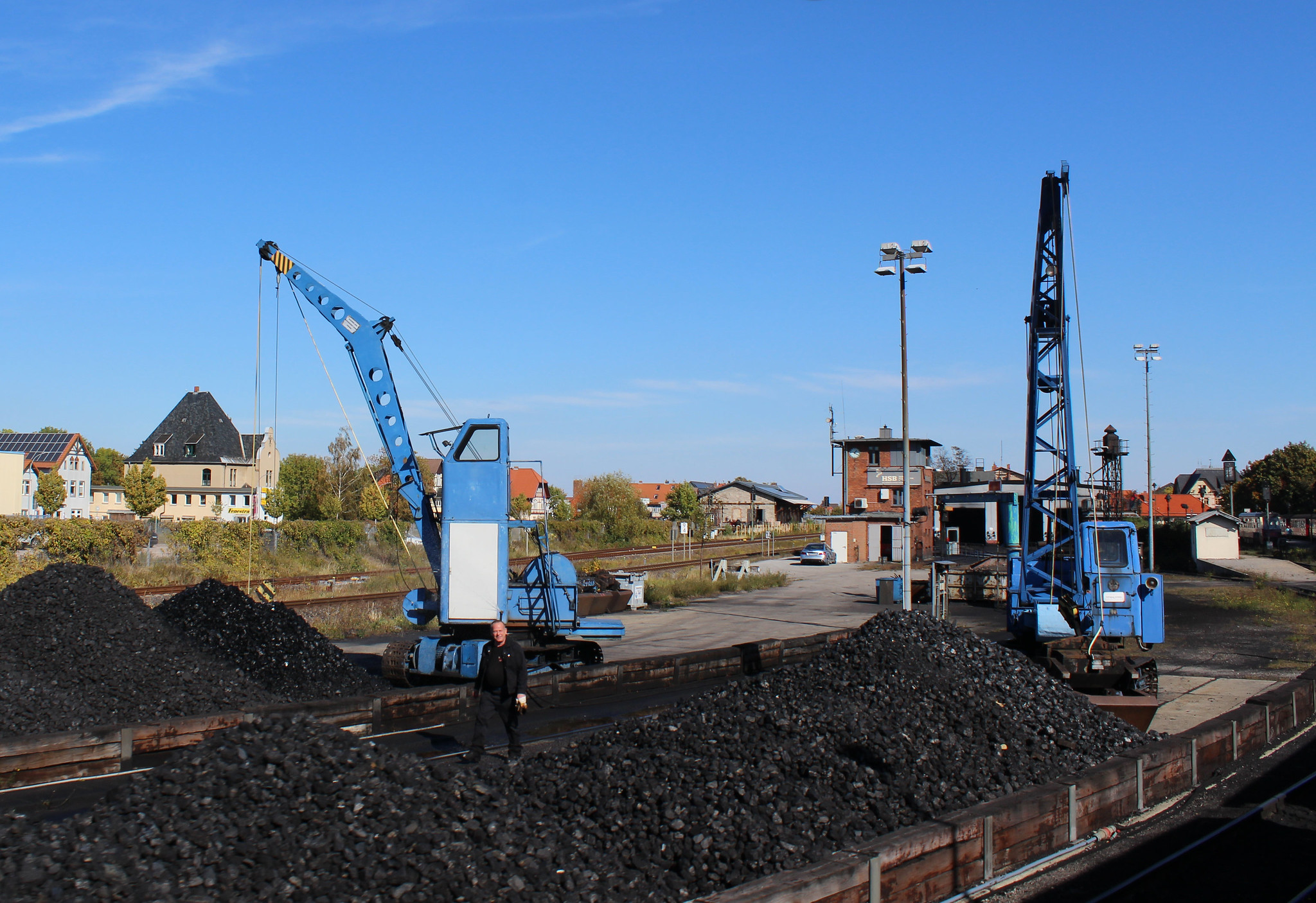
As COP30 moved toward its conclusion without any reference to fossil fuels in the latest draft text, Colombia and the Netherlands announced that they will co-host the first International Conference on the Just Transition Away from Fossil Fuels. The summit will take place on 28–29 April 2026 in Santa Marta, Colombia.
The announcement, made by Colombian Environment Minister Irene Vélez Torres and Dutch Climate Minister Sophie Hermans, is intended to maintain momentum toward a global phase-out of fossil fuels.
Holding the summit in a major coal port within the world’s fifth-largest coal-producing nation sends a strong signal: fossil-fuel-dependent countries increasingly recognise the need to end reliance on coal, oil, and gas. The Netherlands’ role as co-host is also symbolic, given its historic ties to Shell.
The Santa Marta conference will bring together governments, experts, civil society, and frontline communities to develop concrete pathways for a just and planned transition beyond fossil fuels. It aligns with the Paris Agreement and a recent ICJ advisory opinion affirming that states have an obligation to address fossil fuel production.
The discussion on fossil-fuel phase out will be followed up at a pre-COP31 meeting hosted by a Pacific island state (exact location yet to be decided).
Twenty-four countries – including seven EU member states (Austria, Belgium, Denmark, Finland, Ireland, the Netherlands, and Spain) – have also endorsed the new Belém Declaration on the Just Transition Away from Fossil Fuels, which outlines minimum ambition for a fair global transition. The initiative comes at a moment when fossil fuel production remains far above levels compatible with limiting warming to 1.5°C.
The idea of an independent treaty to phase out fossil fuels has been championed by the civil-society-led Fossil Fuel Non-Proliferation Treaty initiative. Inspired by global peace agreements such as the Treaty on the Non-Proliferation of Nuclear Weapons, the campaign calls for an international framework to:
1. stop the expansion of fossil fuel production,
2. wind down existing production, and
3. ensure a just transition to a clean and equitable energy system.
Source: https://fossilfueltreaty.org/first-international-conference


